



 Conference
Live Replay WebinarBasic level
Practical Advice for Preventing Organizational Data Breaches
★★★★★
5.0 · 1 attendee ratings
In an era where generative AI and deepfake technology have revolutionized the precision of social engineering, the risk profile for professional service firms has shifted dramatically. Financial practitioners are no longer just defending against generic "spam"; they are now targets of highly coordinated attacks designed to exploit the specific trust and authority inherent in the CPA-client relationship. This course breaks down the anatomy of a modern breach—from ransomware extortion to sophisticated supply chain vulnerabilities—and provides a practical roadmap for securing a small-to-mid-sized firm without an enterprise-level IT budget. Moving beyond simple firewall conversations, participants will explore the transition to a "Zero Trust" environment and the implementation of high-security protocols like passkeys and FIDO2 authentication. We will examine the increased regulatory scrutiny from frameworks like GLBA, GDPR, and the FTC Safeguards Rule, emphasizing how these requirements translate into daily firm operations. Attendees will walk away with a concrete incident response plan for the critical first 24 hours of a suspected breach, ensuring they have the tools to mitigate damage, protect client confidentiality, and maintain the integrity of their practice.
Ways to save
Save $54.56 with a credit pass
At the 40-Credit Pass rate ($22.22 a credit with the bonus), this 2-credit course comes to about $44.44: $54.56 less than buying it on its own.
Or start smaller: the 10-Credit Pass ($275.00) pays for it and leaves you 8 credits for more.
Year-end bonus: up to 5 free credits through Dec 31.
Certain conditions apply: not valid for the Federal Tax Update. Pass terms
Watch
 1:13
Why Ransomware Is the Final Trap in a Data BreachRansomware isn't just about encryption—it's a two-stage attack where criminals lock your files and often steal your data first. Learn how this malicious software works, why it's the final step in a breach, and what makes it so dangerous to organizations. Watch to understand the mechanics behind one of today's biggest security threats.
 2:39
Why One Backup Isn't Enough Against RansomwareStephen Yoss explains why relying on a single backup leaves your business vulnerable to ransomware attacks. Learn the industry-standard 3-2-1 backup strategy—three copies across two locations with one offsite—and why testing your recovery process daily is non-negotiable. If ransomware hits and your backup is corrupted, you have nothing. Get the essential practices to protect your critical data.
 3:58
The Deepfake Wire Transfer Scam: Maria's StoryScammers follow a playbook: they create pressure, demand secrecy, and push you to skip normal approval processes. Stephen Yoss breaks down real-world examples—from fake boss wire transfers to gift card scams—and reveals the red flags that separate legitimate requests from fraud. Learn the one question that stops most attacks dead in their tracks.
What's included
Every registration comes with the course materials — yours to keep.
- Course handout PDF
- Additional course files DOCX, PDF, ZIP
Course details
- Recommended CPE credit
- 2
- Field of study
- Information Technology
- Program level
- Basic
- Delivery method
- Group Internet Based
- Prerequisites
- None
- Advance preparation
- None
- Course number
- 24c01000
CPE Today (Devmatics, LLC) is registered with the National Association of State Boards of Accountancy (NASBA) as a sponsor of continuing professional education on the National Registry of CPE Sponsors (Sponsor ID 167619). State boards of accountancy have final authority on the acceptance of individual courses for CPE credit. Complaints regarding registered sponsors may be submitted to the National Registry of CPE Sponsors through its website, nasbaregistry.org. For information about our refund, complaint, and program cancellation policies, see Company Policies or contact [email protected].
💬 Ask this course
Not sure it covers what you need? Ask a real question — answered from the actual course content, so you can decide before you enroll.
Reading the course…
Answers come from this course's own material and can be imperfect — the full details are in the course itself.
Your instructor
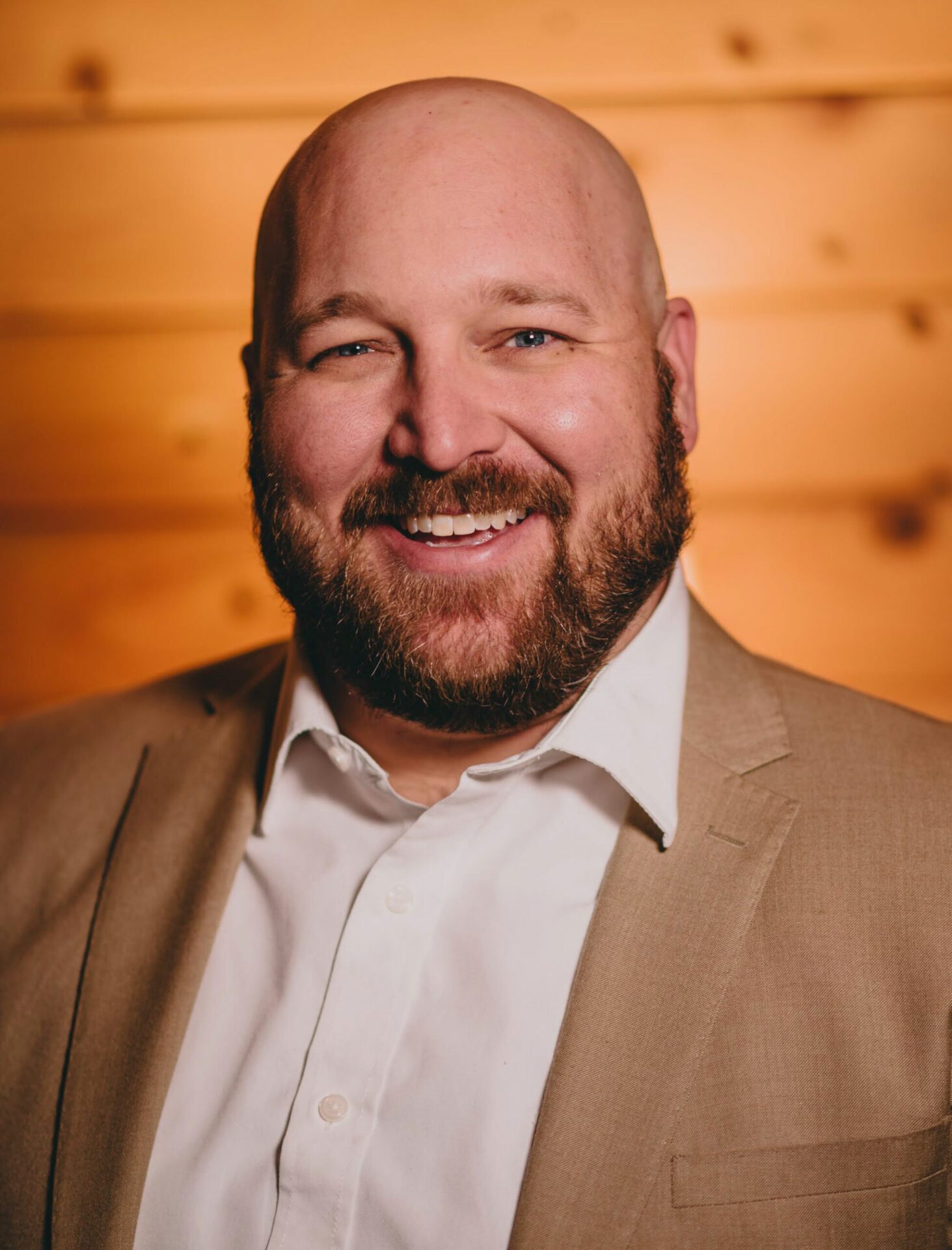
Stephen Yoss
Speaker & Author · CPE Today · ★ 4.7 instructor rating
Stephen M. Yoss, Jr., CPA, MS, is a certified public accountant, partner and CEO of Devmatics, LLC, a continuing education instructor for financial professionals, and a licensed pyrotechnician. While his interests and skills are varied, they all share a common thread—his love for and skill in finding technology-based solutions. In 2017, Stephen and Alex White formed Devmatics, LLC, a company focused on helping...
Full profile →Attendee feedback
5.0
1 attendee ratings
Common questions
I'm running a small accounting firm with maybe 15 staff—is this course really about threats my size of firm faces, or is it pitched at the big firms?
This course is built specifically for you. Steve walks through real examples of small-to-mid-sized practices, including a firm he worked with that had 40 staff locked out by ransomware in January, and how a one-person breach can cascade through your entire client base because you hold Social Security numbers, tax returns, and banking details. The tactics covered—phishing, deepfakes, vendor compromise—don't target only Fortune 500 companies; they target you as low-hanging fruit with access to high-value data.
Do I need to be technical to get value from this, or will I understand it as a practice owner with no IT background?
You don't need a technical background. Steve uses plain language throughout and avoids jargon where he can; when technical terms come up, he explains them—for example, explaining encryption as 'obfuscation' that makes data password-protected and inaccessible. The course focuses on decisions you make and processes you implement, not on configuring software yourself. He even addresses the objection 'we have an IT provider—it's their problem' and explains why you remain accountable regardless.
What can I actually do on Monday morning after this course that my firm isn't doing now?
You'll be able to build a 30-60-90 day plan with concrete steps: inventory your vendors and devices, upgrade from password-only login to two-factor authentication or passkeys, test whether your backups actually restore, draft a written information security plan (WISP) required by the IRS anyway, and set protocols so staff can safely raise security concerns without penalty. Steve gives worked examples—like how to verify a vendor's changed bank details by calling them on a number you already have, not the one they emailed.
Is this mostly theoretical, or do you walk through real examples and actual tools we'd use?
Very hands-on. Steve recounts a ransomware attack he witnessed where a managing partner's voice and video were deepfaked to trick an accountant into wiring money; he describes the anatomy of how attackers move laterally through networks once they're in; he covers specific vendors (365, AWS, SolarWinds) and actual authentication methods (passkeys, FIDO2, YubiKey) with concrete guidance like 'do not call the number in their email—Google the vendor's real number.' He also shares his own security setup: five backup copies of critical data tested daily, separate business and personal networks, and his decision last week to move some data from cloud back to on-premises servers for data sovereignty.
I work with tax returns and client financial data—which regulations am I responsible for, and does this course cover what I actually have to do?
Yes. The course covers GLBA (Gramm-Leach-Bliley Act), FTC safeguard rules, IRS Circular 230, and WISP (written information security plan) requirements. Steve explains that you must have a named qualified individual responsible for security, conduct a risk assessment, encrypt data, use multifactor authentication, train staff, and review the plan annually. He stresses these are not optional: they are mandatory frameworks for professional responsibility if you practice in front of the IRS or hold consumer financial data.
Related reading from our instructors
You might also like
Conference
 Seminar
 Seminar
Happening now
 Seminar